Over the past two decades, HP has slowly slipped down the Fortune 500 rankings. In 2006, HP sat 11th on Fortune’s list of the largest companies in the U.S. by revenue and was vying with IBM to be the biggest tech company in the country. This year, HP came in at No. 84, and has been overtaken by the likes of Apple, Amazon, Meta, and Microsoft.
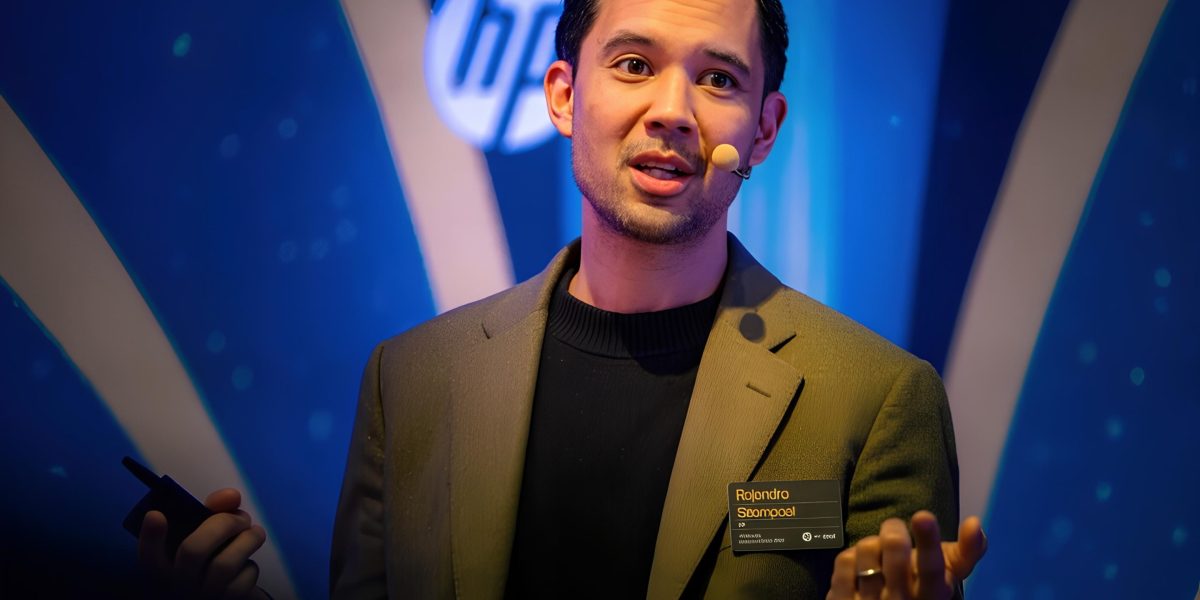
In order to gain ground on its tech competitors, HP is undergoing a change in strategy. “We’re going through a transition,” says Rajendra Sitompoel, HP’s chief technology officer for the Nordics and Benelux regions. “From more of a hardware focus to a solution and experience focus.”
In practice, this requires developing a deeper understanding of the challenges clients face and identifying the technologies and services that can help them develop a solution. Here, Sitompoel explains how he’s putting this new strategy into action, the challenges CTOs face in adopting AI safely, and how he keeps his tech teams motivated.
This interview has been edited for length and clarity.
Priorities: What’s your big focus for 2026?
My role expanded to cover the Nordics around six months ago, so my focus has been on understanding how to manage this transition, while also retaining the focus that I had on the Benelux region.
I want to make sure I also spend time talking to clients and other CIOs and CTOs. Balancing that internal role shift, while also dedicating enough time to our clients and helping them to navigate AI, security, and all the topics that come across our agendas has been a challenge.
Pep talks and preparation: How did you motivate your team at the beginning of the year?
It’s important to give the team the freedom to operate and to stress test the security of the technology without crossing any boundaries. I’ve almost never had to stop someone because we’re working with sound professionals, they know what they can and can’t do. So it’s about giving them freedom and challenging them to bring more value for the company and our customers.
Keeping this focus on our end customers is also important. It’s easy to get lost in specs and tech but for me, it all comes down to how we can support people in the workplace. We have all these different devices, laptops, mice, monitors. This is all nice, but how do people actually use it? And also the companies acquiring our solutions, how do they actually benefit from it?
If we want our devices to make an impact in the real world, we need to understand how it is used, how people use it, how they derive value from it, and how it changes their everyday work? I want my team to always keep that in mind.
Worries: What’s keeping you up at night?
AI is developing at a rapid pace and we need to help people adopt it in a safe and secure way. People have to be comfortable with that transition in their everyday work and they have to understand security and resilience.
This means, if something happens that is beyond your control, understanding how to minimize the negative impact or respond in the right manner. We can’t control everything, and neither can our clients, so we need to be able to respond accordingly and have conversations about security and AI adoption with our customers.
Tradeoffs: What’s one compromise you’ve made this year to reach a more strategic goal?
There are some things we’ve had to postpone, such as IT investments and changes to the team structure. We wanted to focus our efforts on navigating the period we’re in now where there’s a lot of change—you don’t want to shift too many things at the same time.
Magic metrics: What is one number you’re looking for at the end of this month to signal it’s been a success?
The ratio of client meetings versus internal meetings. If that ratio leans too much towards internal, that means that I’m not doing what I’m supposed to do. I need to make sure there’s a healthy balance in that ratio—it tells me if I’m leaning in the right direction.
Disclaimer : This story is auto aggregated by a computer programme and has not been created or edited by DOWNTHENEWS. Publisher: fortune.com