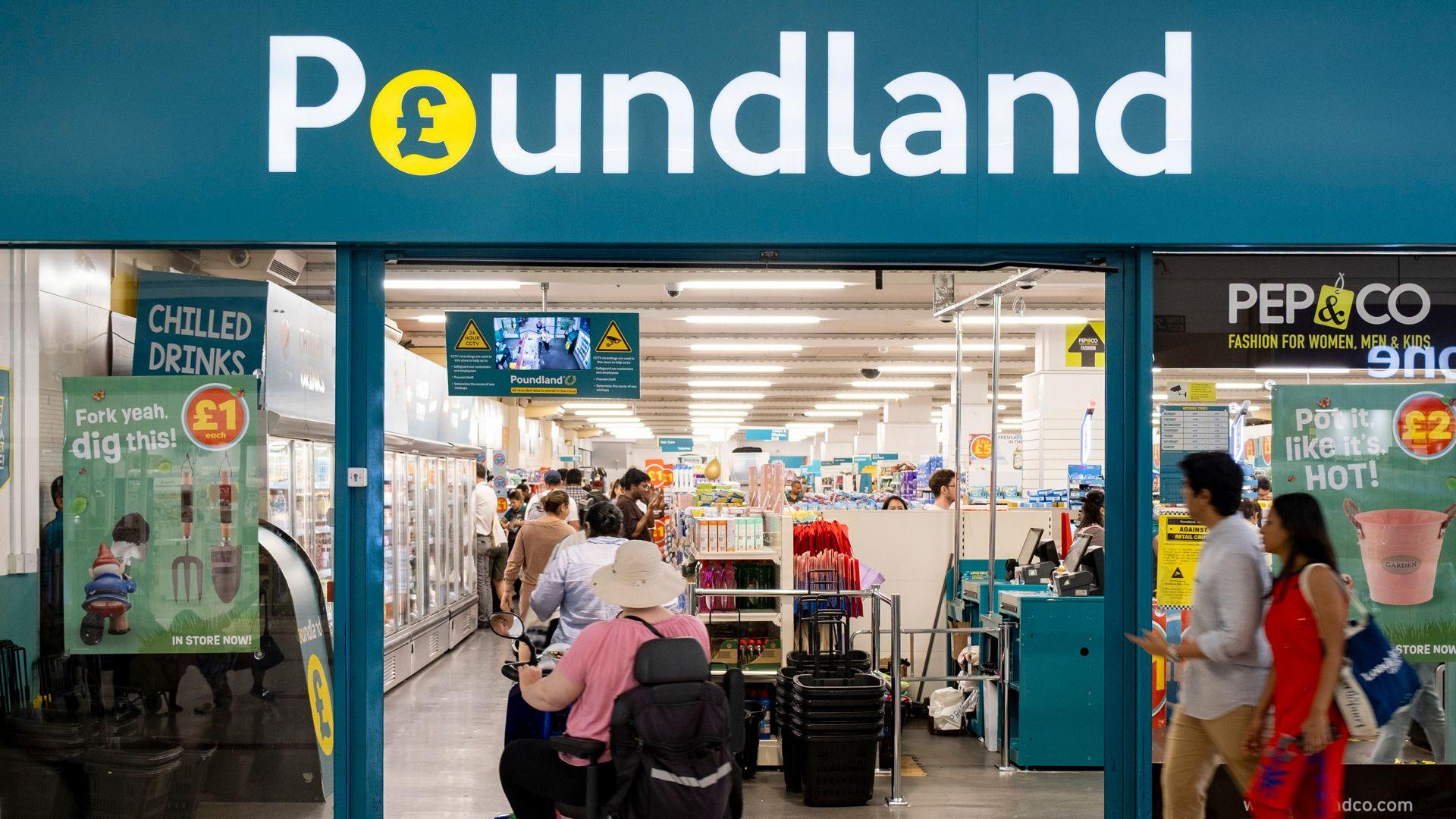
What’s gone wrong at Poundland?
To play this video you need to enable JavaScript in your browser.
This video can not be played
-
Published
The future of Poundland hangs in the balance after the discount retailer’s collapse into administration.
Its owner, US investment firm Gordon Brothers, put it up for sale in September, but then rejected offers to keep the business afloat.
Poundland has a major presence on the High Street, with 600 stores in the UK and Ireland, where it trades under the Dealz brand.
Its collapse puts the jobs of its 11,000 employees at risk, as well as potentially thousands of others at firms that supply the retailer.
How have we got here?
Have people stopped shopping at Poundland?
People have not stopped shopping at Poundland – quite the opposite.
Although the chain was struggling when it was sold by Pepco last year for £1, the business turned a corner over the year to September, going from a £68m loss to an £18.1m profit before interest, tax and certain accounting charges.
Going into the vital Christmas period, first-quarter like-for-like sales were up 7% and operational profits of £1.9m were up £1.2m on last year.
According to Julie Palmer, managing partner at insolvency specialist Begbies Traynor, “this isn’t a story about shoppers abandoning Poundland”.
She told the BBC the tills were “busier than they were a year ago”, adding that on the face of it a turnaround seemed “well under way”.
However, Gordon Brothers had been restricting Poundland’s access to cash needed to restock stores and meet day-to-day expenses.
So why is it now in administration?
Poundland faced “a funding and ownership problem rather than a trading collapse”, according to Palmer.
However, while Poundland boss Barry Williams claimed the business was making a “strong recovery”, Gordon Brothers painted a different picture, saying the chain remained “challenged and vulnerable to any potential downturn in future trading”.
It said it had provided significant funding to support the company’s ability to trade since it acquired the business.
-
Poundland collapses putting 11,000 jobs at risk
-
Published11 minutes ago
-
-
Poundland workers ‘in limbo’ over firm’s future
-
Published1 day ago
-
It has also made about £18m from a combination of debt interest payments and other fees and charges.
As well as being Poundland’s owner, it is one of its lenders, and is owed loans, including a £22.5m shareholder loan it inherited when it bought the business for £1.
As the main creditor, Gordon Brothers would be first in line to get paid back if the business goes under – but its suppliers are not.
“When the owner is also the main lender, its first priority is recovering [loans],” says Palmer. “Sometimes the route that best protects the lender is different from the one that saves the most jobs, and that tension is why this has become such a political story.”
Irish firm Martin Property Group, London-based holding company Xyra Group and German investment firm Zachert Private Equity are all also understood to have made offers for Poundland.
Gordon Brothers had also been weighing options to break Poundland up.
Its view was that ultimately breaking the retailer up would provide more security for employees in the long term, because any buyers of its store estate would also have to agree to keep the employees on.
Insiders who are critical of how Gordon Brothers has handled the Poundland sale accuse it of driving the business into the ground to make money through the insolvency process.
But the investment firm, which specialises in buying and restructuring distressed companies, has denied the claim.
What’s next for Poundland?
Now that the company has entered administration, consultants at Alix Partners have been appointed to pursue a sale of the business and its assets.
There are various options on the table, which include securing a buyer for the business either in whole or piecemeal.
The prime minister has said he wants “every effort made to secure a deal that protects jobs and keeps as many shops open as possible”.
In the immediate future, Poundland stores and distribution centres will continue operating as normal.
Disclaimer : This story is auto aggregated by a computer programme and has not been created or edited by DOWNTHENEWS. Publisher: BBC