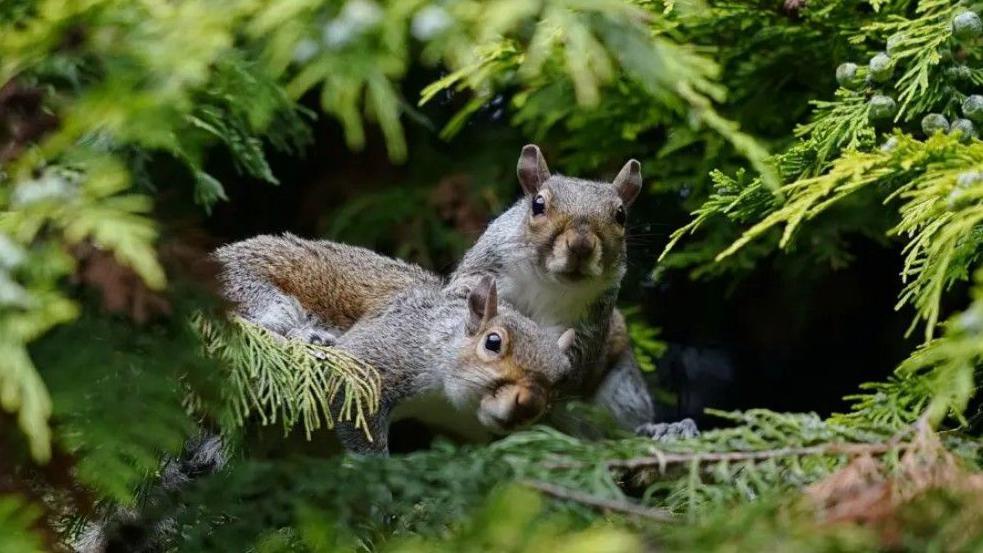
When did grey squirrels start posing a threat to reds?
-
Published
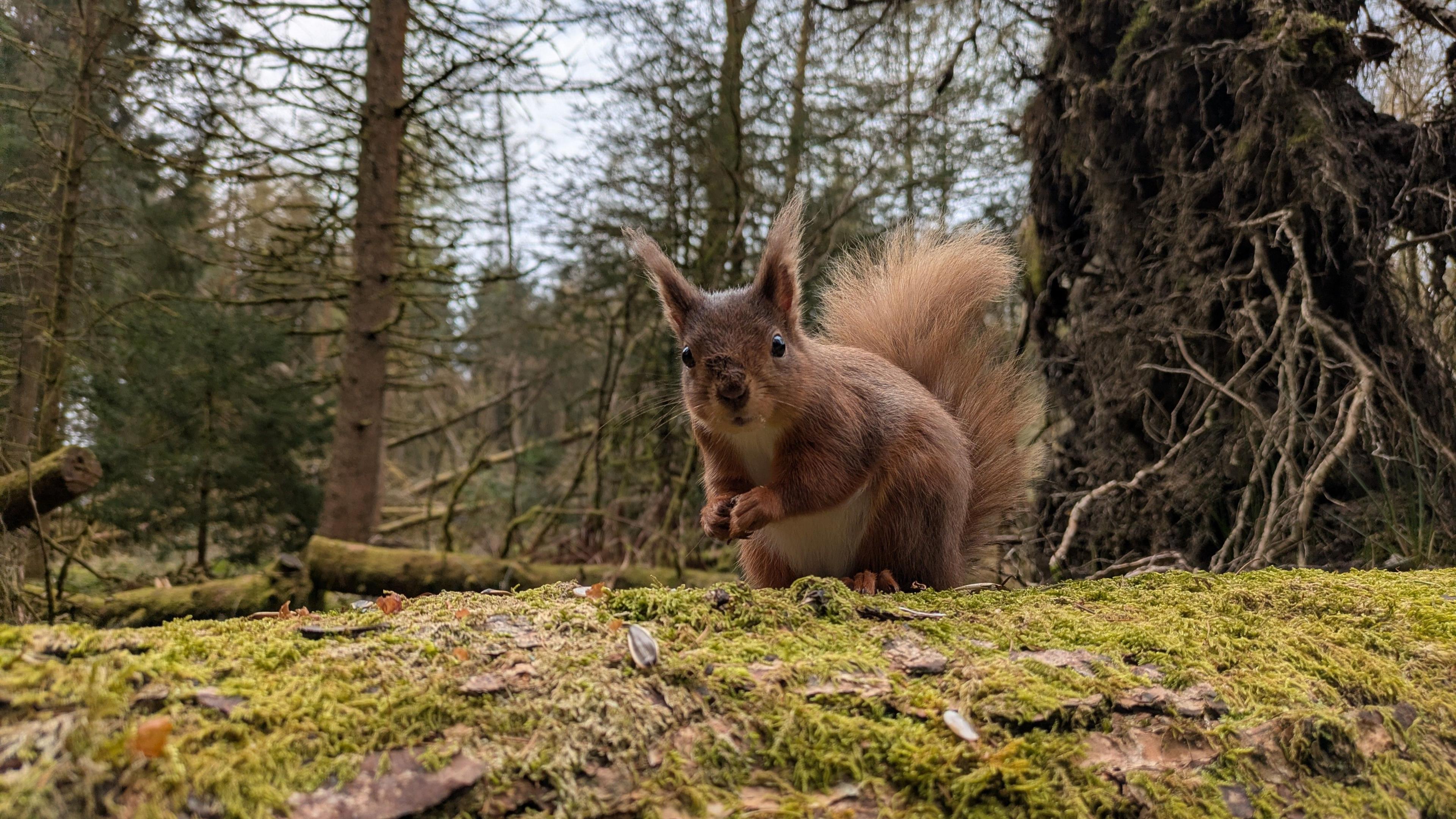
Endangered red squirrel populations have plummeted from about 3.5 million to less than 300,000 in the UK, with their grey-haired rivals continuing to thrive.
But when exactly did the squirrel stand-off begin and how bad has the situation become?
In England, the situation is particularly dire for reds.
The Woodland Trust reckons there are only 39,000 of them left, while the Save Our Reds campaign thinks just 15,000 remain, including in conservation areas such as Formby on Merseyside.
In stark contrast, since their introduction from North America in the 19th Century, greys have thrived at the expense of their distant cousins, which compete for habitats and carry lethal viruses.
The first verifiable importation of greys, external is widely understood to have come 150 years ago, when a Victorian banker named Thomas V. Brocklehurst is said to have released a pair of greys into Henbury Park, near Macclesfield in Cheshire, that he had brought back from a business trip to the United States.
The rest, they say, is history and nobody back then would have realised the unintended lasting consequences of his actions.
According to Graham Paskett from the Red Squirrel Survival Trust, there are now between 2.5 million and 2.7 million greys in the UK.
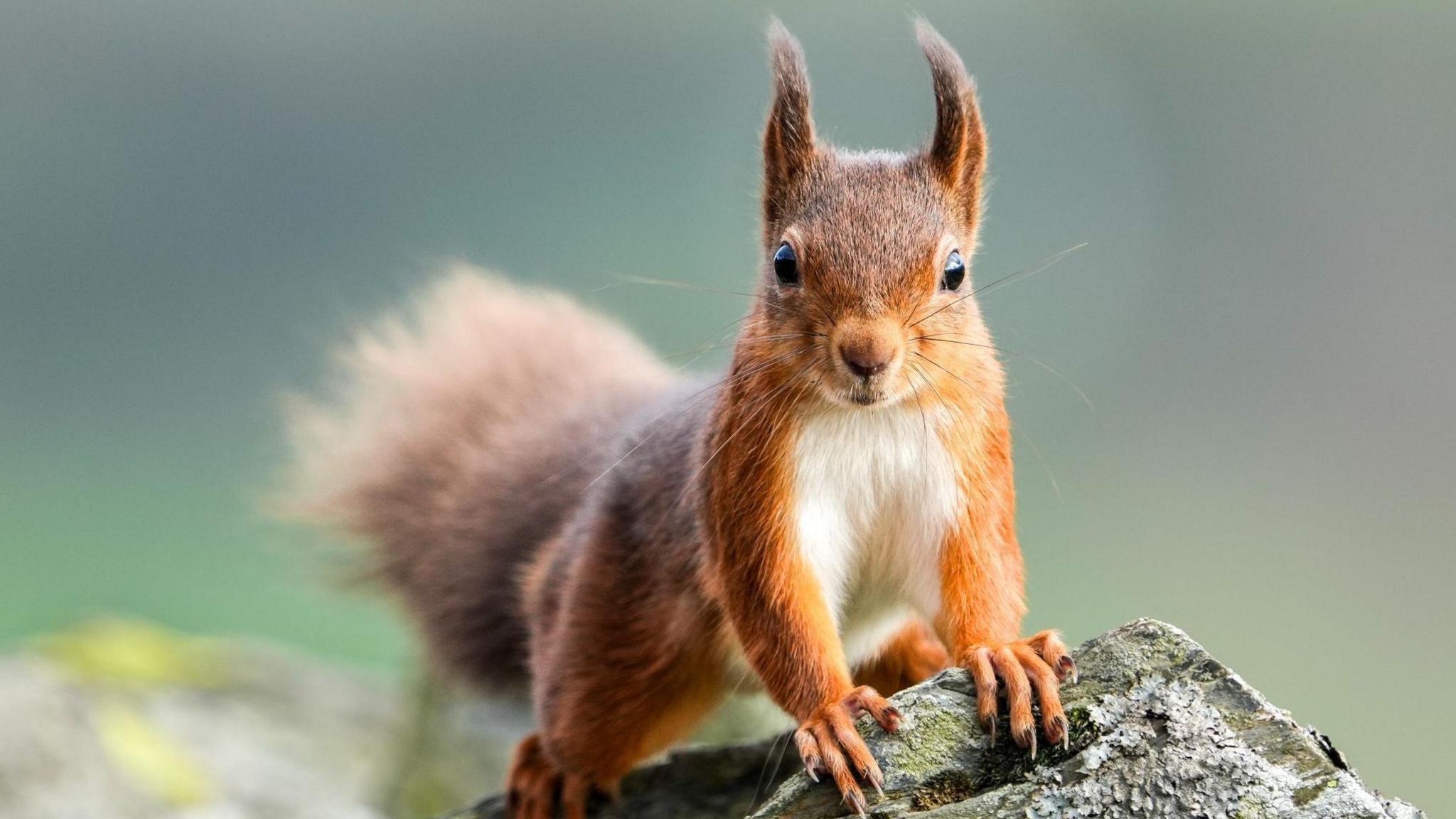 Image source, Save Our Reds
Jackie Foott, from the British Red Squirrel conservation group, told the BBC that reds and greys cannot coexist in the same location and that to protect the reds you have to “get rid of the greys – we realised that a while ago”.
She explained: “The grey squirrel is a pest, non-native, invasive species.
“People don’t realise just how much damage they are doing to trees, crops and properties – they cause at least £40m damage to forests and forestry services each year.”
But why can reds and greys not live cheek by jowl?
“Greys outcompete reds for habitat and food – they don’t actually physically attack them but they do bother them,” said Foott.
“Secondly, greys have squirrel pox – it doesn’t affect them but they transmit it to red squirrels and it’s fatal for them. It’s a horrible disease and causes them ulcers and blindness.”
So what solutions are available?
“Fertility control isn’t available now – and has the effect of affecting other species, including reds,” said Foott. “Gene therapy is probably at least 10 years away.
“For now, the only way is lethal control – by shooting or trapping.”
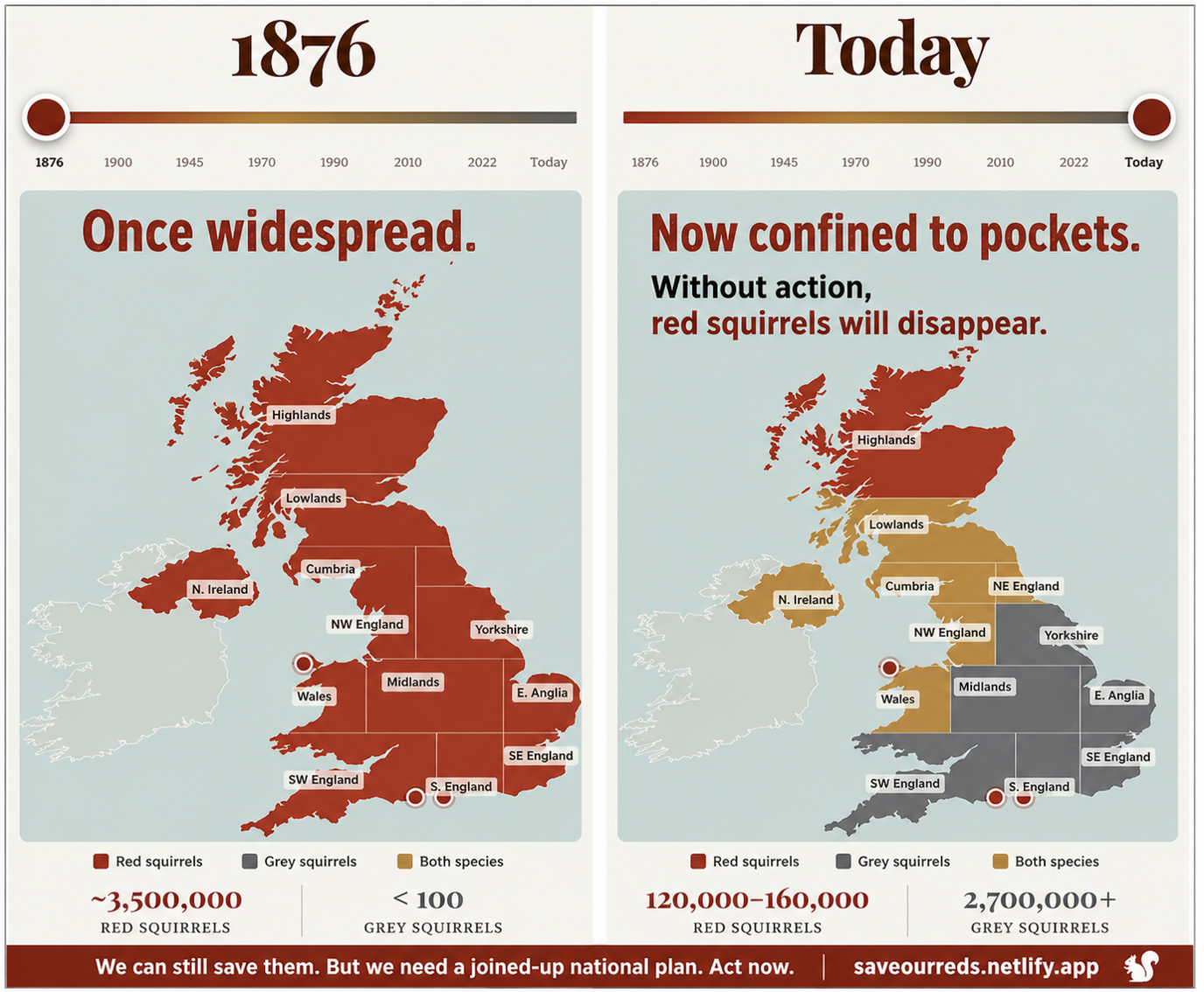 Image source, Save Our Reds
Paskett, though, thinks there could be an effective additional way to control grey squirrel numbers within the next five years.
He said the Red Squirrel Survival Trust was jointly funding a field trial by the government’s Animal and Plant Health Agency.
Beginning “later this year or early next year” Paskett said his organisation had “developed the means to deliver oral contraceptives to grey squirrels using a ‘hopper’ which sees the squirrel lift up a lid” to access them.
Because greys typically weigh 500g – approximately twice that of reds, only they can access the contraceptive.
If the field trial is successful, Paskett hopes landowners and forest rangers will be able to sign up to the scheme.
For now, though, Foott said shooting and trapping were the main options.
However, she said: “The reintroduction of pine martens can help. Because they are a native species in the UK, they evolved together with red squirrels.
“They do eat red squirrels but the reds know to quickly get out of their way and will send out the alarm signal to the rest of the colony.
“The greys are a little bit stupid and will say ‘hello, I haven’t seen you before’ and the pine marten will get them!”
‘They look cute’
When asked about the grey squirrels’ UK origin story, Foott said: “Nobody really knows – there are several records but it doesn’t really matter.”
So why were greys imported in the first place?
Foott said: “Somebody said ‘Wouldn’t they look cute running around my garden?’
More than a century later, she said experienced British Red Squirrel volunteers were now working with farmers and landowners to control grey squirrel populations near red colonies.
In May, a spokesperson for the Department for Environment, Food and Rural Affairs (Defra) said the government was protecting endangered red squirrels by tackling the threat of non-native grey squirrels.
Get in touch
Tell us which stories we should cover in the North West
Read more stories from Cheshire, Lancashire, Greater Manchester and Merseyside on the BBC, watch BBC North West Tonight on BBC iPlayer and follow BBC North West on X, external.
Related Stories
-
-
Published2 May
-
-
-
Published9 February
-
-
-
Published12 April
-
Disclaimer : This story is auto aggregated by a computer programme and has not been created or edited by DOWNTHENEWS. Publisher: newsrss.bbc.co.uk