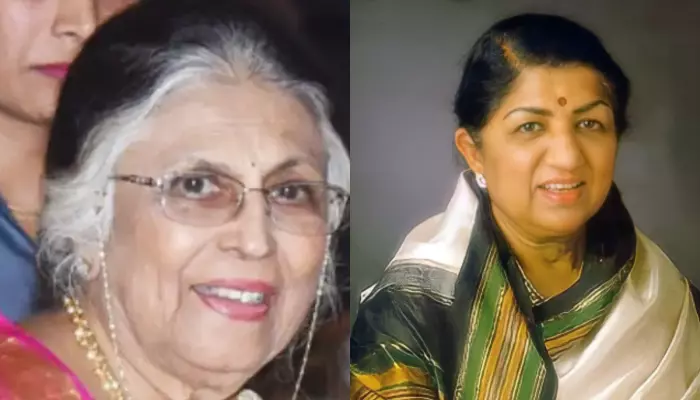
‘Aaj Kal Tere Mere Pyaar Ke Charche’ singer, Suman Kalyanpur, died at the age of 89. Her last rites details have not yet been released by her family.
FOLLOW US ON GOOGLE NEWS,
FLIPBOARD,
FACEBOOK,
WHATSAPP CHANNEL
Legendary singer, Suman Kalyanpur, who has been best known for songs such as- Aaj Kal Tere Mere Pyaar Ke Charche and Naa Naa Karte Pyar Tumhin Se Kar Baithe is no more. Weeks after Asha Bhosle passed away, Suman Kalyanpur took her last breath on May 31, 2026. She was 89 years old at the time of her demise.
Veteran singer, Suman Kalyanpur passed away at her Mumbai residence. It has been a huge loss to the music world as her voice was admired by millions. Suman was known for her timeless melodies that left her fans mourning. Well, her family has not revealed the exact cause of death, but Suman’s voice was always mistaken for Lata Mangeshkar’s voice.
Suman Kalyanpur’s voice had a lot of similarity with that of Lata Mangeshkar
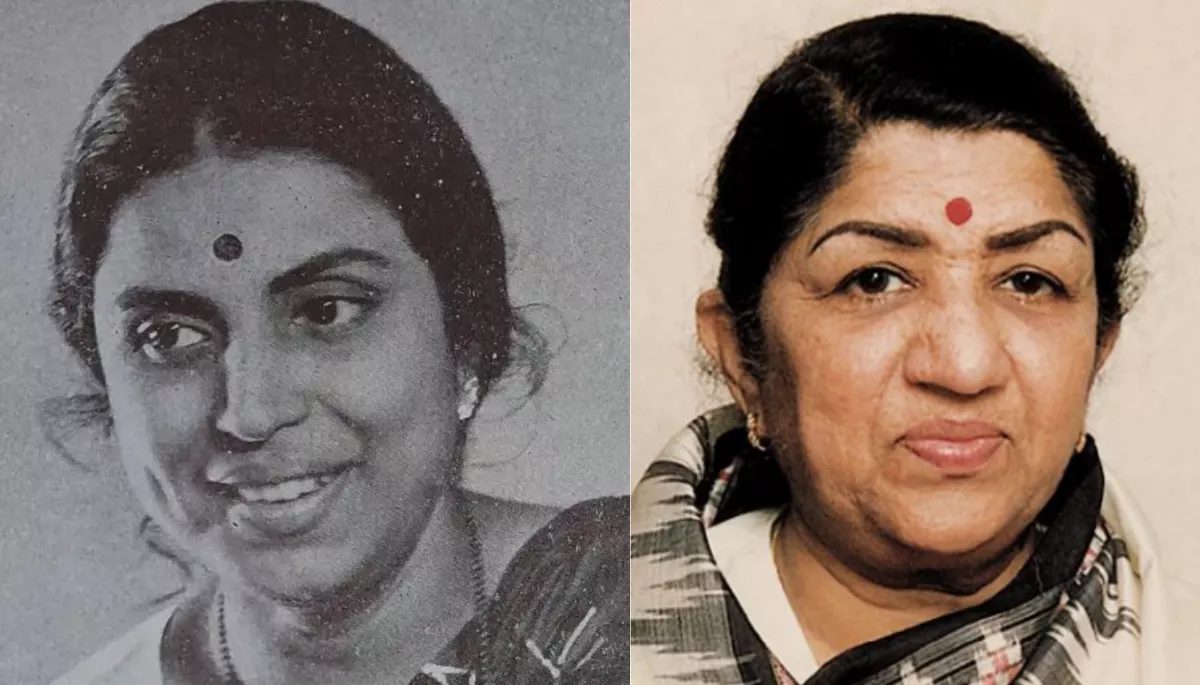
For the unversed, Suman Kalyanpur’s original name was Suman Hemmadi. She was known for recording songs for many movies in languages such as- Hindi, Bengali, Marathi, Assamese, Gujarati, Kannada, Angika, Bhojpuri, Rajasthani, Odia and Punjabi. The voice of the stalwart was very similar to that of Lata mangeshkar, the late melody queen. Listeners many times used to mistake one’s voice for the other.
When Suman Kalyanpur admitted that her voice was similar to that of Lata Mangeshkar
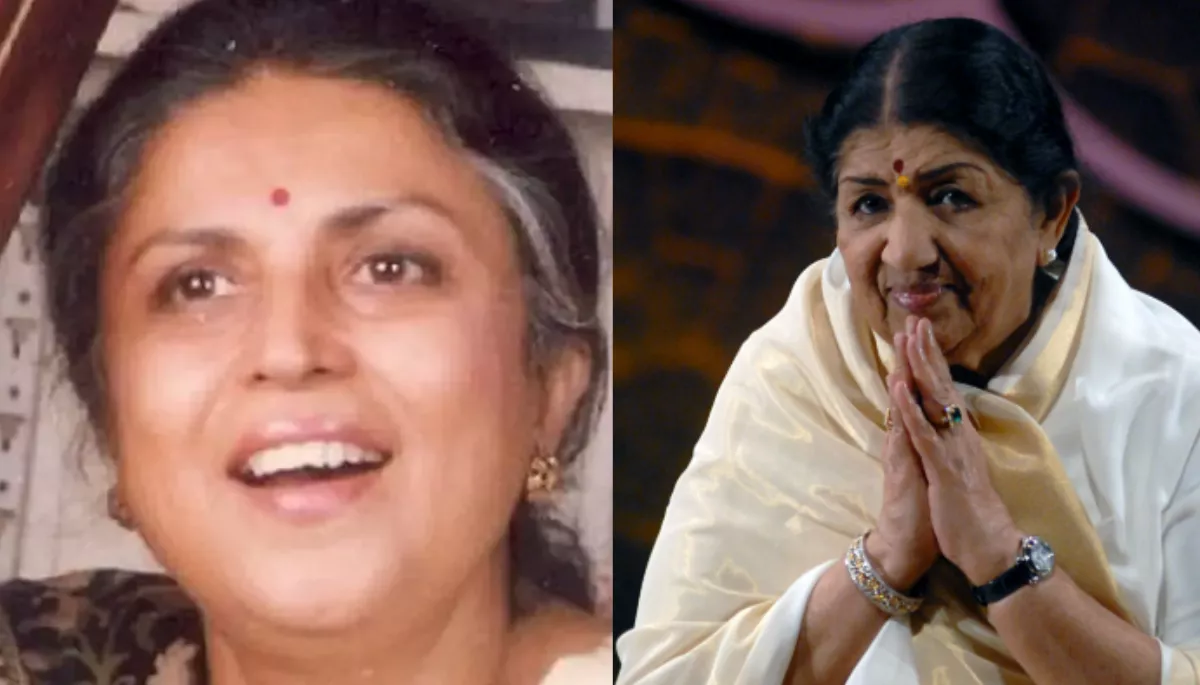
Suman Kalyanpur, in an interview with The Times of India, once revealed how she felt when her voice was compared to that of Lata Mangeshkar. Suman had agreed that her voice was very similar to that of Lata’s, but she was not at all affected by the comparison. In her words:
“My voice is similar to Lata tai’s. But, if keenly listened to, a connoisseur can tell them apart. I sang every song to the best of my capacity. I never bothered about any comparisons people made. I never imitated anyone since I firmly believed in sticking to my own style of singing.”
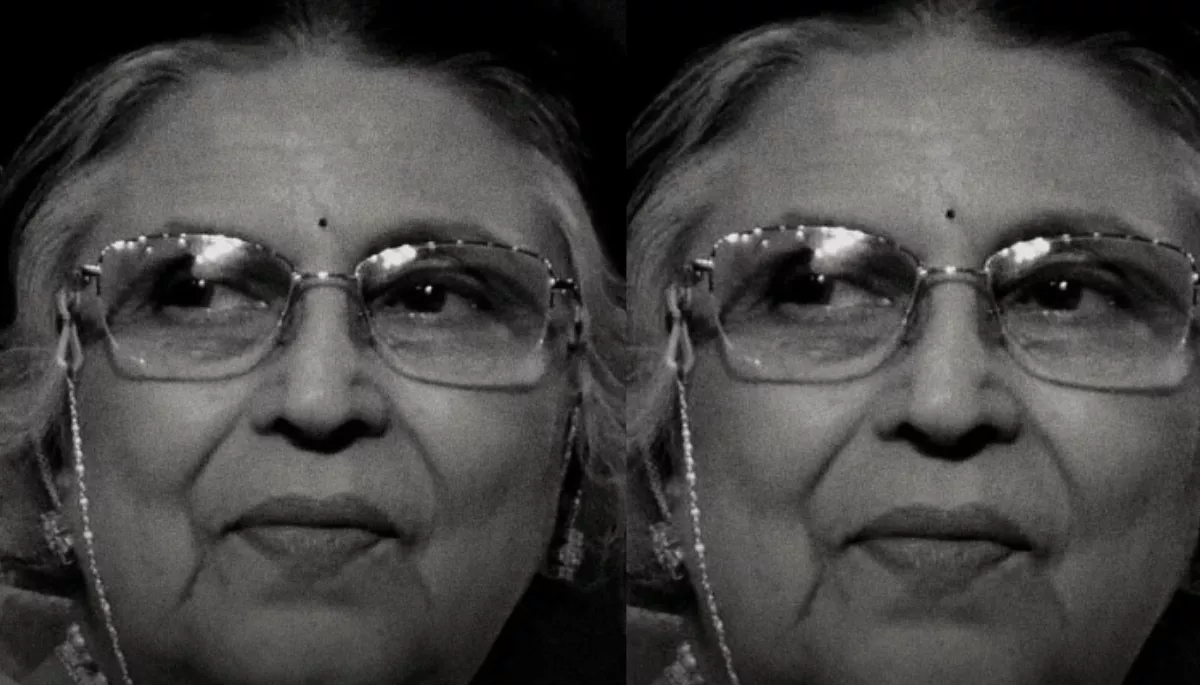
For the unversed, Suman was best known for crooning for films such as Miyan Bibi Razi (1960), Baat Ek Raat Ki (1962), Dil Ek Mandir (1963), Dil Hi To Hai (1963), Shagoon (1964), Jahan Ara (1964), Sanjh Aur Savera (1964), Noor Jehan (1967), Saathi (1968) and also Pakeezah (1971). She has also worked with great artistes like Shankar-Jaikishan, Roshan, Madan Mohan, Kohli, S. D. Burman, N. Datta, Hemant Kumar, Chitragupta, Naushad, S. N. Tripathi, Ghulam Mohammed, Kalyanji-Anandji, Vasant Desai, Ravi Shankar Sharma, Laxmikant-Pyarelal, Bulo C. Rani and Usha Khanna.
Continue reading below
When Suman Kalyanpur remembered her first meeting with Lata Mangeshkar, who complimented her voice
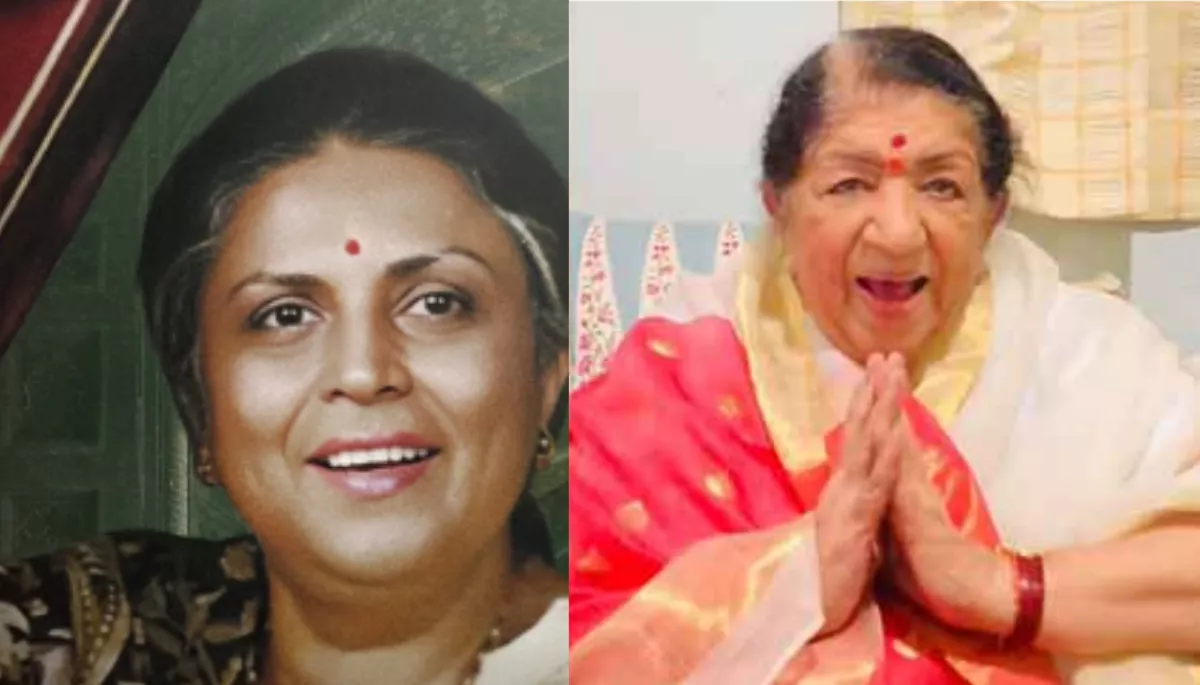
Suman Kalyanpur’s voice had a striking resemblance to that of Lata Mangeshkar, and Suman once had fond memories of Lata Mangeshkar. Suman shared that her first meeting with Lata didi was at the recording of the song for the film Mangu. In her words:
“I believed she had heard me sing. And while passing by the recording room, she said that I sang well. I met didi a few times mostly towards the beginning of my career. Whenever we met, I felt a strange closeness like I knew her from another life.”
Suman Kalyanpur’s family was not supportive of her singing career
In one of her earlier interviews, Suman Kalyanpur had emphasised that her family never approved of her public performances, despite her having a very strong inclination towards music. However, she did not refuse to sing for All India Radio in 1952. She then sang for a Marathi movie called, Shukra Chi Chandni. It got released back in 1953. It was with the movie, Mangu that Suman started singing back in 1954 for the Hindi cinema. As the news of Suman’s demise broke, it was Sharad Pawar’s daughter who was one of the first ones to express condolences. She had penned:
“The news of the passing of Suman Kalyanpur is extremely heartbreaking. With her sweet, melodious, and soul-stirring voice, she enriched the world of Indian music. Her immortal songs in Hindi, Marathi, and numerous other regional languages have reigned supreme over the emotional realms of generations. With her demise, the curtains are drawn on an era of gold in Indian classical and light music. I offer my heartfelt tribute to her and extend my condolences to her family.”
Suman Kalyanpur, before becoming a singer, had learnt painting
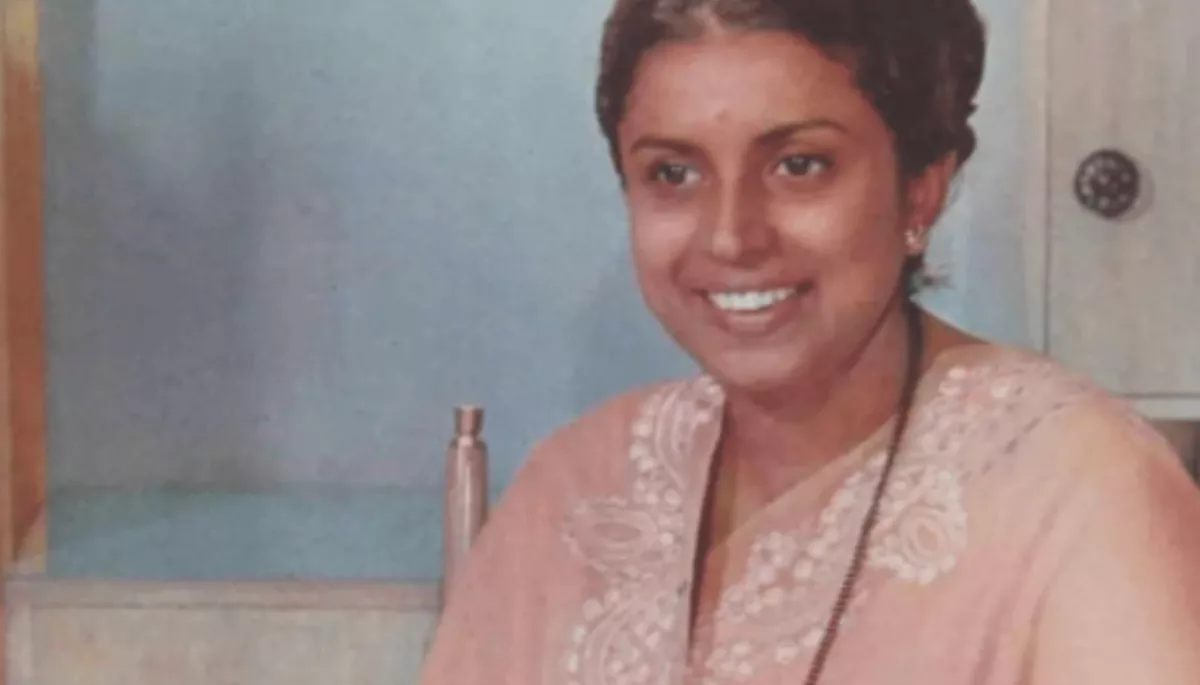
Suman was born in Dhaka (undivided India) on January 28, 1937. She had made a great career as a Hindi and Marathi playback singer. She was also known for crooning non-filmy songs, bhajans, ghazals and Marathi abhang and bhavgeet. Suman went to St Columba school in Mumbai and then went to JJ School of Art, where she learnt painting. Suman then learnt music reportedly from Pt Keshavrao Bhole, Ustad Khan Abdul Rehman Khan and Master Navrang. She received success with two movies, Shukrachi Chandni and Mangu. Her voice is best known for songs like Rahein na rahein hum, Aajkal tere mere pyar ke charche, Na na karte pyaar, Na tum hamein jaano, Parbaton ke pedon par and Nimbonichya zhaada maage.
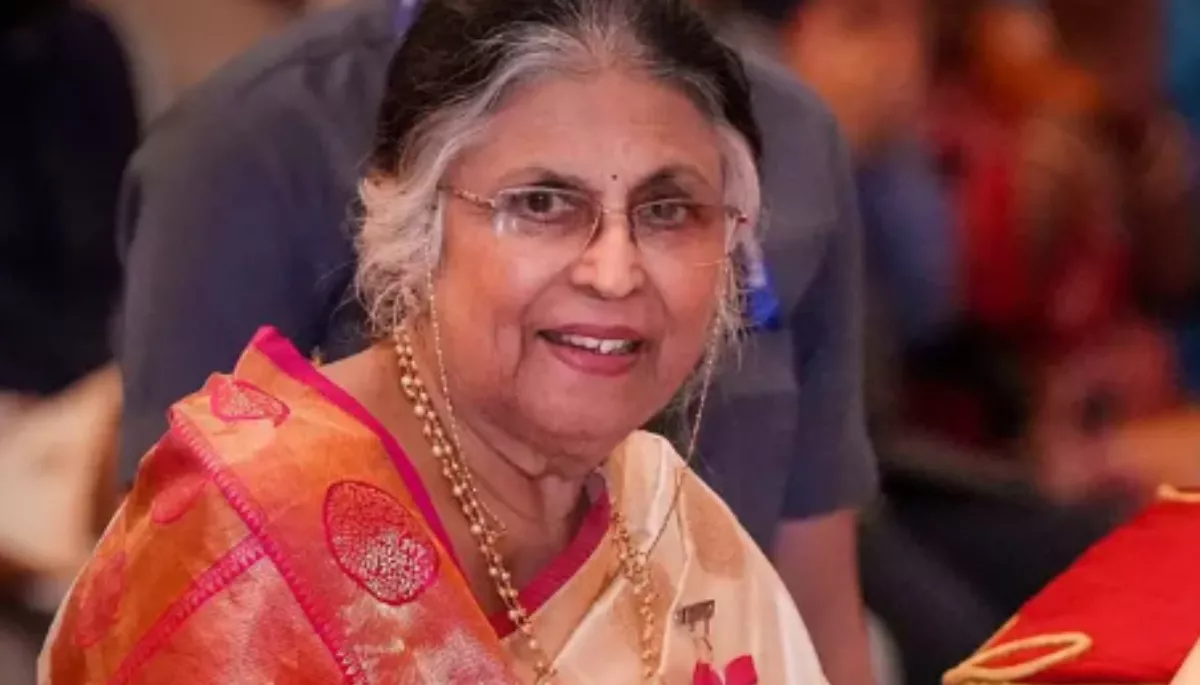
Rest in peace, Suman Kalyanpur.
Also Read: Who Was Suman Kalyanpur’s Husband, Ramanand? Businessman, Accompanied Her To Recordings
advertisement
advertisement
advertisement
<!–
–>

BollywoodShaadis.com © 2026, Red Hot Web Gems (I) Pvt Ltd, All Rights Reserved.
<!–
$(document).ready(function(){
var body = document.getElementsByTagName(‘body’)[0],
sidebar = document.getElementById(‘sb-event’);
var textElement = $(‘.nav_bg_div’).get(0);
var isVisible = textElement.style.display == “block”;
var isHidden = textElement.style.display == “none”;
// sidebar overflow hide
sidebar.onmouseover = function() {
body.style.overflowY = ‘auto’;
body.style.overflowX = ‘hidden’;
}
sidebar.onmouseout = function() {
body.style.overflowY = ‘hidden’;
body.style.overflowX = ‘hidden’;
}
});
Disclaimer : This story is auto aggregated by a computer programme and has not been created or edited by DOWNTHENEWS. Publisher: bollywoodshaadis.com