TOKYO –
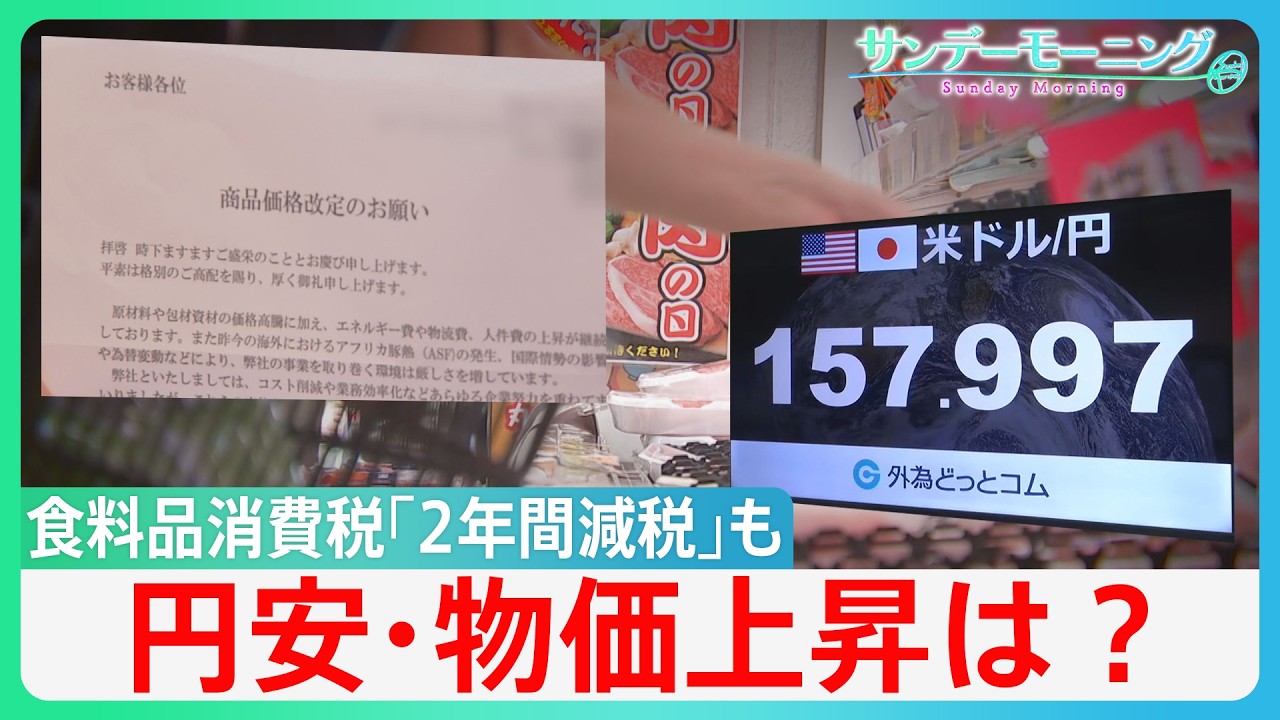
Japan’s first five-day Silver Week holiday in 11 years has put renewed attention on household finances, with persistently high food prices and a weakening yen threatening to erode the benefits of the government’s planned consumption tax cut on food.
Despite concerns about the impact of a typhoon, a barbecue venue was nearly full on the first day of the holiday, but visitors said rising prices were affecting what they put on the table. Families said beef, pork and chicken had all become more expensive, leading some shoppers to choose larger-value packages or use vegetables and bean sprouts to stretch meals. Others said they had stopped buying beef altogether.
Meat has been particularly affected by prolonged inflation. Pork prices reached their highest level since the government began the relevant survey, according to figures released by the agriculture ministry on September 15, while imported beef prices have risen by nearly 60% over the past five years as the yen weakened sharply.
A butcher said wholesale prices were climbing rapidly, describing purchases that rose from 140 yen to 160 yen and then to 180 yen in quick succession. The increase has affected both domestic and imported meat, with suppliers repeatedly announcing higher prices.
Domestic meat producers are also being affected because a weaker yen raises the cost of imported animal feed and fuel.
Attention has therefore turned to the government’s plan to cut the consumption tax on food from 8% to 1% for two years starting in April 2027. The Cabinet approved the framework for the reduction on September 15, although specific measures to finance the tax cut have yet to be settled.
Retailers hope the reduction will encourage consumers to spend more. One shop operator said an item costing 108 yen under the current tax rate would cost around 101 yen after the reduction, making the difference readily apparent to customers.
The tax cut, however, is expected to reduce government revenue by around 10 trillion yen over two years, and the absence of a detailed funding plan has raised concerns about Japan’s public finances. The government’s tax reform outline did not specify concrete measures to cover the lost revenue.
During discussions within the ruling Liberal Democratic Party, concerns were raised that increased reliance on deficit-financing government bonds could weaken confidence in Japan’s fiscal position and place further downward pressure on the yen.
Prime Minister Sanae Takaichi rejected concerns that the tax cut would undermine the government’s finances, saying there was no need for concern and that the government had a firm outlook for funding the measure.
The risk for households is that a further decline in the yen could push import costs higher and cancel out much of the benefit from the lower consumption tax. One meat retailer said some products had already risen by around 20%, meaning that even a seven-percentage-point reduction in the tax rate might struggle to offset price increases if the trend continues.
The Bank of Japan sought to address inflation risks on September 18 by raising its policy interest rate by 0.25 percentage point to 1.25%, the highest level in about 31 years. The decision was approved by a 7-2 vote.
Higher Japanese interest rates would normally be expected to support the yen by making yen-denominated assets more attractive. Instead, the currency weakened sharply after the announcement, at one point falling by nearly 2 yen against the dollar.
Market participants focused on the two dissenting votes at the BOJ meeting. The two board members opposed the rate increase, reinforcing expectations among some investors that future rate hikes could proceed more slowly than previously anticipated. Both dissenting members had been appointed under the Takaichi administration, which has generally favored a cautious approach to higher interest rates.
Developments in the United States added further pressure. The Federal Reserve raised its benchmark interest rate by 0.25 percentage point on September 16, lifting its target range to 3.75% to 4.00%.
The combination of higher U.S. rates and uncertainty about the pace of future Japanese rate increases has kept the interest-rate gap between the two countries in focus, contributing to continued selling of the yen.
The currency’s weakness has been closely reflected in imported food prices. Imported beef that cost around 300 yen per 100 grams about five years ago is now trading at close to 450 yen. Prices have risen about 15% in the past two years alone, considerably more than the planned seven-percentage-point reduction in the consumption tax on food.
That comparison highlights the central challenge facing the government’s policy: even if food taxes are lowered, continued yen depreciation could push import prices high enough to absorb much of the relief.
Japan is also entering a substantially different interest-rate environment after decades of extremely low borrowing costs. The BOJ’s latest move takes its policy rate back to levels last seen around 1995, when Japan occupied a much larger share of the global economy.
One commentator noted that Japan accounted for about 18% of global GDP in the mid-1990s, when it was the world’s second-largest economy, compared with only a few percent today. He argued that monetary policy is moving toward normalization while fiscal policy remains constrained by large government spending commitments and debt-servicing costs.
He pointed in particular to government debt costs, saying they could reach around 36 trillion yen in the next fiscal year, compared with defense spending of around 9 trillion yen, increasing the rigidity of the national budget.
Higher interest rates also create uneven effects across the economy. Households with mortgages and companies carrying significant debt face higher borrowing costs, while people holding substantial savings and financial assets stand to receive higher interest income.
Another commentator argued that the yen’s weakness increasingly reflects structural factors rather than interest rates alone, citing Japan’s limited economic growth, expansion of the money supply, low domestic energy self-sufficiency, increased household investment overseas through programs such as NISA, and a growing digital services trade deficit.
Under that view, modest adjustments to interest rates may have limited ability to reverse the currency’s longer-term decline.
For households, however, the immediate issue remains the same: food and other everyday expenses continue to rise, and the government’s tax reduction will provide meaningful relief only if broader inflationary pressures, particularly those linked to the weak yen, can also be contained.
Source: TBS
Disclaimer : This story is auto aggregated by a computer programme and has not been created or edited by DOWNTHENEWS. Publisher: newsonjapan.com