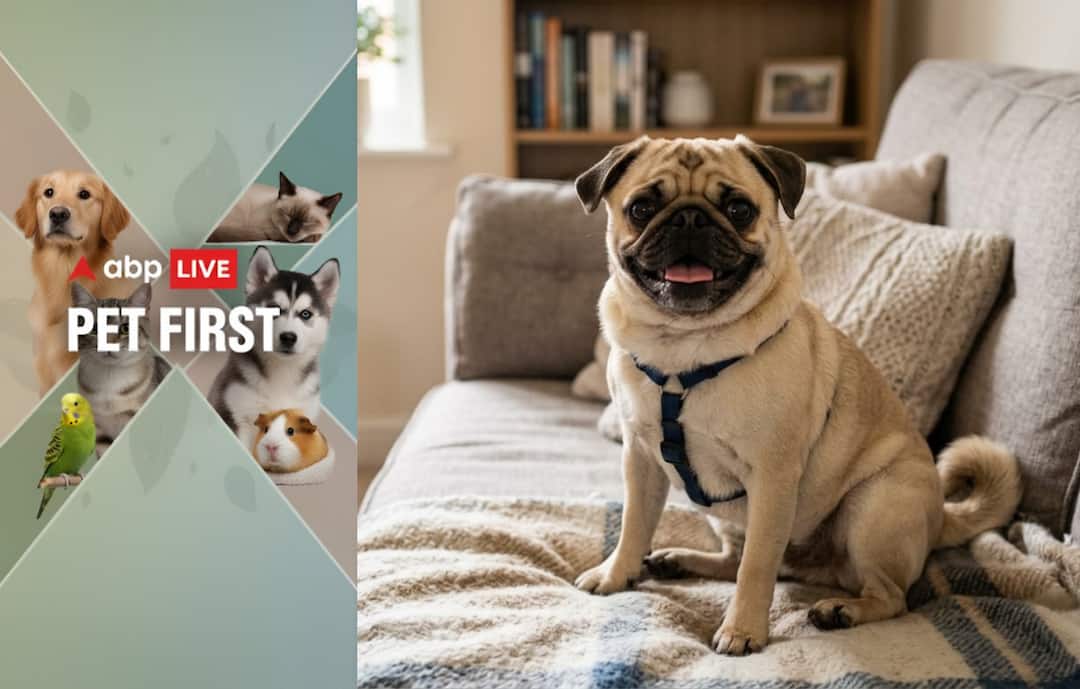
Pugs may be small in size, but they require special attention when it comes to their health. Their distinctive facial structure, compact build, and love of food can increase the risk of several medical conditions. Recognising these issues early can make a significant difference in keeping your pug active, comfortable, and healthy.
1. Breathing Problems During Hot Weather
Pugs often struggle with breathing because of their flat faces. Even a short walk in heat or humidity can leave them panting heavily. Pug owners may notice loud breathing even while they’re rest and snoring that sounds unusually strong. Not only this, pugs can also get tired quick while playing. Because they are sensitive to heat, it is important to keep them cool, provide plenty of shade, and avoid excessive physical activity during warmer parts of the day.
.ALSO READ | Pet First | 5 Indoor Activities To Help Your Overweight Pet Lose Weight This Summer
2. Their Large Eyes Need Extra Care
A pug’s big, prominent eyes are one of its most adorable features, but they can also be vulnerable to injury and irritation. Since their eyes protrude more than those of many other breeds, even minor exposure to dust, debris, or rough play can cause discomfort. Owners may occasionally notice excessive watering, redness, dryness, or signs of irritation.
3. Weight Gain Can Affect Overall Health
Pugs have a strong appetite and are rarely known to refuse treats. While their enthusiasm for food may be endearing, it can also lead to unwanted weight gain if not carefully managed. Carrying extra weight places additional pressure on a pug’s respiratory system and joints, often worsening breathing difficulties and reducing energy levels.
ALSO READ | Pet First | 6 Warning Signs Your Pet May Be Suffering From Heat Stress
4. Facial Wrinkles Need Regular Cleaning
The deep wrinkles that give pugs their unique appearance can sometimes create the perfect environment for moisture and dirt to accumulate. Without proper care, these skin folds may become irritated or develop infections. Owners should pay attention to signs such as redness, unpleasant odours, persistent scratching, or skin irritation around the facial folds.
5. Joint Problems May Develop With Age
As pugs grow older, some may begin to experience mobility issues involving their hips, knees, or other joints. These conditions can make everyday activities more difficult and uncomfortable. You may notice your pug moving more slowly than usual, limping after exercise, or struggling to climb stairs and jump onto furniture. Maintaining a healthy body weight and avoiding excessive strain on the joints can help support mobility as your pet ages.
Living with a pug brings plenty of laughter, affection, and memorable moments. However, these lovable companions often require a little more attention to their health than some other breeds.
[Disclaimer: The information provided in this article is intended for general informational purposes only. It is not a substitute for professional veterinary advice, diagnosis, or treatment. Always consult a qualified veterinarian regarding your pet’s health, diet, or any medical concerns.]
Disclaimer : This story is auto aggregated by a computer programme and has not been created or edited by DOWNTHENEWS. Publisher: abplive.com