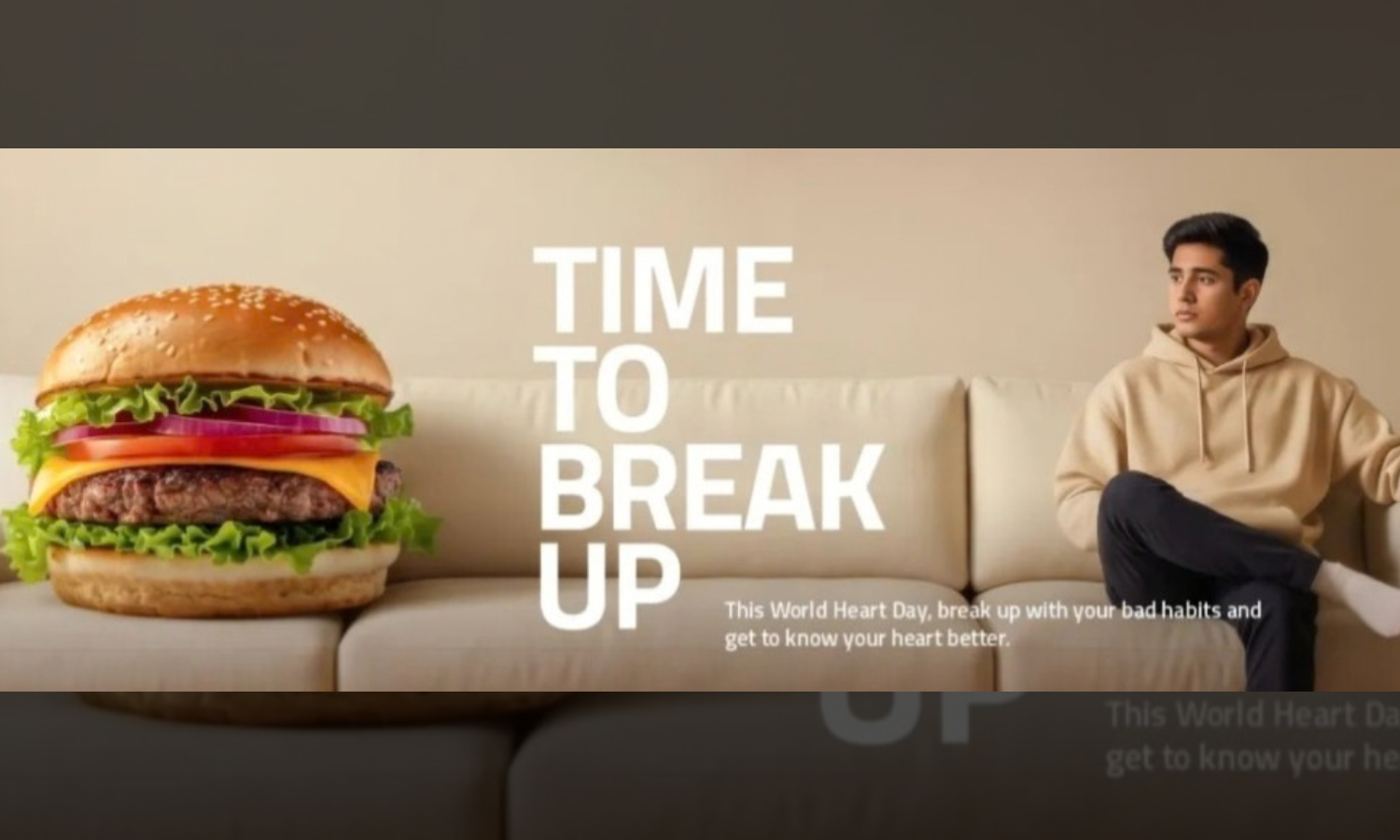
As a cardiologist, one thing I often tell my patients is that heart disease usually does not begin on the day someone develops chest pain or suffers a heart attack. The risk may have been building quietly for years.
High blood pressure, diabetes, high cholesterol, smoking, excess weight, physical inactivity and poor lifestyle habits can gradually affect the heart and blood vessels, often without obvious warning signs.
Ahead of World Heart Day, therefore, we should talk not only about treating heart disease but also about the habits we need to leave behind. In simple terms, there are some things it may be time to “break up” with for the sake of our heart.
1. Smoking
If there is one break-up your heart will thank you for, it is smoking. Tobacco damages blood vessels and significantly increases cardiovascular risk. I often meet patients who believe that reducing the number of cigarettes is enough. Reduction may be a step towards quitting, but the goal should be to stop completely.
2. Too much salt
High blood pressure is one of the most important risk factors we see in cardiac practice, and excess sodium intake can contribute to it. The problem is not just the salt we add while cooking. Packaged foods, pickles, snacks, sauces and restaurant meals can contain significant amounts of sodium. Small reductions in daily intake can make a difference over time.
3. Added sugar
“Sugar is the new cholesterol” is a phrase increasingly used to draw attention to the metabolic risks of excessive sugar intake. While sugar and cholesterol affect the body in different ways, consuming too much added sugar can contribute to weight gain, insulin resistance, diabetes and unhealthy triglyceride levels — all of which can increase cardiovascular risk. Sugary drinks, sweets and highly processed foods are common sources. An occasional sweet is different from making added sugar part of your everyday diet. This is one relationship your heart may be better off without.
Dr. Chanakya Kishore Kammaripalli, Clinical Director & Sr. Interventional Cardiologist, CARE Hospitals, Hitech City, Hyderabad
4. Sitting for long hours
Many working professionals tell me they exercise in the morning but spend the next eight or ten hours sitting. Exercise is important, but regular movement throughout the day also matters. Take short walking breaks, use stairs when possible and avoid remaining seated continuously for long periods.
5. Late nights and poor sleep
Sleep is still underestimated as part of heart health. Consistently inadequate or poor-quality sleep is associated with several cardiovascular risk factors. We need to stop treating sleep as something we can continuously compromise because of work, entertainment or screen time.
6. Chronic stress
Stress is unavoidable, but chronic stress can indirectly affect the heart by influencing blood pressure, sleep, eating habits, smoking, alcohol use and physical activity. Managing stress does not mean eliminating every problem from life. It means finding healthier ways to respond to it.
7. Excess alcohol
Alcohol should never be started or consumed with the belief that it is good for the heart. Excessive alcohol consumption can increase blood pressure and contribute to abnormal heart rhythms and other health problems. People with existing medical conditions should discuss their individual risks with their doctor.
8. Skipping health checks
This is perhaps one of the most important habits to break. High blood pressure, high cholesterol and diabetes can remain silent for years. I have seen patients who felt perfectly healthy until their first major cardiac event.
Don’t wait for chest pain to start thinking about your heart. Know your blood pressure, blood sugar and cholesterol, and discuss your cardiovascular risk with your doctor, particularly if you have a family history or other risk factors.
As World Heart Day approaches, we do not need to make eight changes overnight. Start with one.
Ask yourself: What am I ready to break up with for my heart?
Because preventing heart disease often begins long before the first symptom — with the choices we make every day.
The article has been authored by Dr. Chanakya Kishore Kammaripalli Clinical Director & Sr. Interventional Cardiologist, CARE Hospitals, Hitech City, Hyderabad
Disclaimer : This story is auto aggregated by a computer programme and has not been created or edited by DOWNTHENEWS. Publisher: deccanchronicle.com