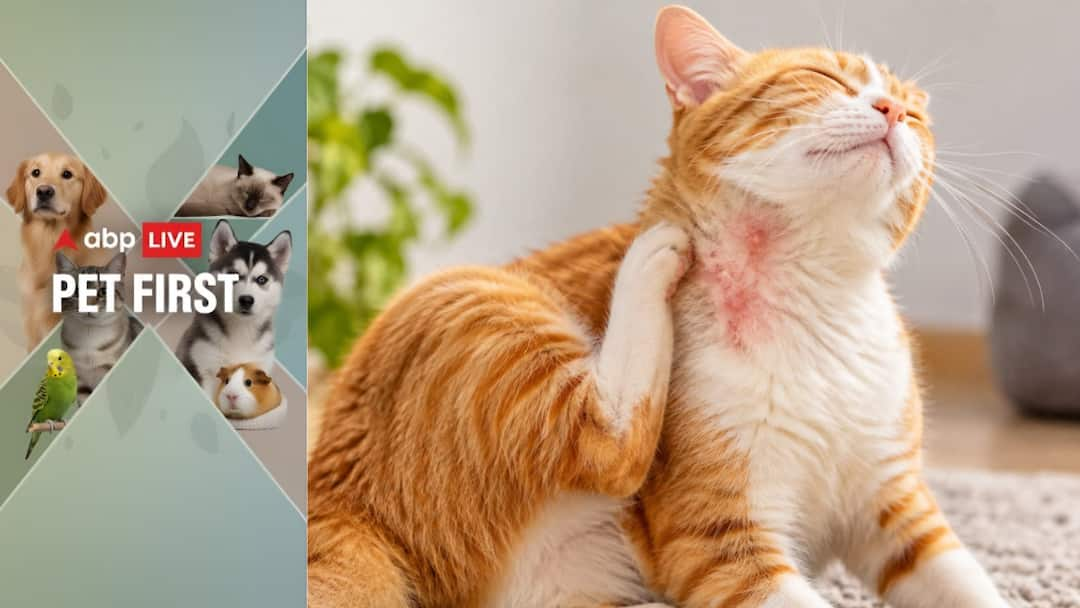
- Treatment targets underlying cause for effective, lasting relief.
Miliary dermatitis can leave cats with itchy skin, small crusty bumps, and patches of hair loss. The rash is often linked to an allergy, but fleas, mites, infections, and other health problems can cause similar signs. Cats may scratch or groom themselves so frequently that the skin becomes sore, making early veterinary advice important. The condition is usually manageable once the underlying trigger is identified and treated. We spoke with veterinarian Christine Sellers, DVM, veterinary advisor for Cat Person, about what causes feline miliary dermatitis, how to recognise it, and the treatment options that can help bring cats lasting relief.
What Is Miliary Dermatitis In Cats?
Miliary dermatitis is an inflammatory skin condition that causes small, crusty bumps to appear across a cat’s body. These lesions can be extremely itchy, prompting affected cats to scratch, bite, or lick their skin repeatedly. The condition is also known as scabby cat disease. The word ‘miliary’ refers to the millet-seed-like appearance of the tiny crusts, while ‘dermatitis’ means inflammation of the skin.
Although the condition is not generally serious in its early stages, persistent scratching can damage the skin and increase the risk of secondary infections. Identifying the underlying cause is therefore important.
ALSO READ | Pet First | Can Cats Catch A Cold? Symptoms And Warning Signs To Watch For
Common Causes
Allergies are among the leading causes of feline miliary dermatitis. According to Christine Sellers, DVM, veterinary advisor for Cat Person, “The most common cause of miliary dermatitis in cats is a flea allergy.”
Other possible triggers include:
– Environmental allergies: Pollen, house dust mites, storage mites, mould and other environmental allergens.
– Food allergies: Reactions to certain proteins or ingredients in a cat’s diet.
– Skin parasites: Fleas, mange and ear mites.
– Autoimmune diseases: Conditions in which the immune system mistakenly attacks the body’s own tissues.
– Infections: Bacterial, fungal, yeast, or viral infections.
– Other factors: Drug reactions and nutritional deficiencies.
Indoor cats are not necessarily protected from the condition. Fleas and household allergens can enter homes and affect cats that rarely or never go outside.
ALSO READ | Pet First | 6 Eye Problems In Cats That Could Lead To Vision Loss
Symptoms And Diagnosis Of Miliary Dermatitis
The most noticeable sign is a collection of tiny, crusty bumps that may feel like rough grains when you run your hand over your cat’s coat. These lesions can develop in different areas, particularly around the neck, head, back, belly, and sides of the body.
Signs To Watch For
Look out for the following changes in your cat:
– Red, crusty patches or small pimple-like bumps.
– Frequent scratching, biting, or rubbing against surfaces.
– Scabs and skin lesions caused by repeated scratching.
– Excessive licking and over-grooming.
– Hair thinning or patches of missing fur.
Some cats may also become restless or uncomfortable because of persistent itching.
Is Miliary Dermatitis Contagious?
Miliary dermatitis itself is not contagious and cannot spread directly between cats, other pets, or humans. However, the underlying cause may be transmissible. Certain fungal infections, parasites and bacterial infections can spread to other animals and, in some cases, people.
If your cat develops an unusual rash, persistent itching or visible skin lesions, arrange a veterinary examination. A vet can identify whether the problem is miliary dermatitis or another skin condition and recommend appropriate tests.
Treatment And Prognosis For Cats With Miliary Dermatitis
Treatment depends on what is triggering the skin reaction. A veterinarian may examine your cat’s skin and recommend additional tests to identify allergies, parasites, or infections. Antihistamines and essential fatty acids (EFAs) may be recommended to help manage itching. However, controlling the underlying cause is essential for preventing the condition from returning.
Treatment Based On The Cause
– Flea allergies: A veterinarian may recommend an effective monthly flea preventative. Revolution Plus is one topical option that also targets certain mites. The appropriate product should be selected according to your cat’s needs.
– Mange and other parasites: Depending on the parasite involved, treatment may include prescribed topical or oral medication.
– Food allergies: Vets may recommend an elimination diet trial over several weeks or months to identify the ingredient responsible. A hypoallergenic or hydrolysed protein diet may also be considered. Dietary changes should always be discussed with a veterinarian.
– Environmental allergies: Pollen, dust mites and other airborne allergens may require a combination of treatments. If antihistamines and EFAs do not provide sufficient relief, a vet may prescribe steroids, immunosuppressive medication or allergen-specific immunotherapy.
– Autoimmune conditions: These may require steroids or other immunosuppressive drugs, depending on the diagnosis.
– Infections: Bacterial, fungal or viral infections need appropriate medication. Treatment may involve topical applications, oral medicines, or a combination of both.
Avoid trying home remedies, including coconut oil, without veterinary advice. Similarly, do not give your cat human medicines or change its treatment without consulting a vet.
What Is The Long-Term Outlook?
Most cats can be managed successfully once the underlying trigger has been identified. However, some allergens, particularly those found in the environment, are difficult to eliminate. This means symptoms may return from time to time. A combination of treatments, regular parasite prevention, and follow-up veterinary visits may be necessary to keep the condition under control.
Miliary dermatitis is usually manageable, but persistent itching and scabbing should not be ignored. Getting a veterinary diagnosis early can help identify the trigger, prevent further skin irritation, and ensure your cat receives the right treatment. Regular monitoring is also important, particularly for cats prone to recurring allergies.
Disclaimer : This story is auto aggregated by a computer programme and has not been created or edited by DOWNTHENEWS. Publisher: abplive.com